
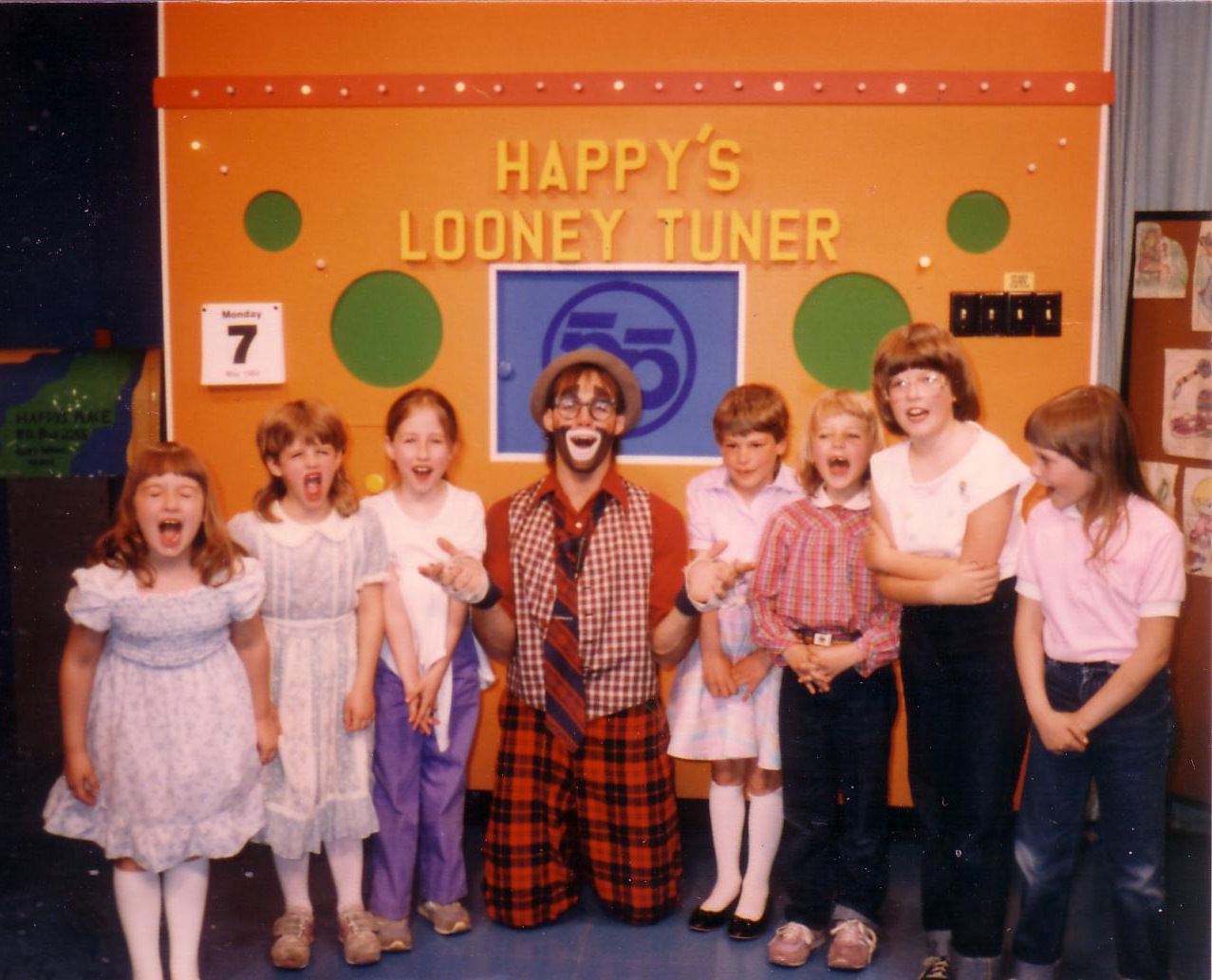
 As an EFL teacher for the last quarter century (sounds more impressive than 25 years), I have been taught and have taught other teachers the profits, or perhaps more accurately the necessity, of providing an enjoyable lesson. I have said in my teacher training workshops that if the students are not enjoying their lesson, they will simply tune out and perhaps even become disruptive. It all sounds perfectly logical, politically correct and nurturing.
In terms of teaching students, I have often experienced, as I am sure you have too, a sense that you can actually feel the learning process taking place when you have given your students a task that interests and motivates them. The question is, however, does it always have to be like this? Also, can it always be like this? More fundamentally, is it wise, educationally speaking, to put so much emphasis on creating entertaining lessons, and at the end of the day, will our students truly benefit from adopting this kind of approach.
Obviously, it is impossible for mortals like ourselves to provide an action packed, fun-filled lesson every time we step into the classroom, and to be realistic, even to provide such lessons as a staple diet. The preparation required would be extremely taxing for the majority of working teachers who have a full program. The other danger would be that ‘fun’ lessons would lose their impact if they came to be considered as being taken for granted.
I have heard teachers say when they do an activity that is billed as being fun, students would reply “We know this just a lesson, you’re tricking us!” For them obviously, a fun activity is one that has nothing to do with learning English.
This leads us to the issue of whether entertainment does indeed have a place in the learning process as far as EFL is concerned. As a teacher trainer and director of studies, I have made numerous observations of both experienced and novice teachers and a conclusion that I have come to is that lessons that were composed of over 90% ‘teacher talking time’ (TTT), while no activities that included any element of fun, were often successful and well received by the students.
Moreover, teachers who conducted such lessons were able to command respect and instilled a sense of responsibility in their students in terms of learning and knowing what they had to know for their next lesson. Such teachers relied mostly on the set course or activity book and only occasionally brought in extra material. What they managed to do was put the emphasis on the students in terms of their being responsible for learning to take place, and they were able to do this by building a rapport which included evoking a feeling of both respect and approachability on the part of the students.
Having said that, there were many more lessons I observed with similar characteristics (lessons consisting of mostly TTT and no fun activities) that were far from successful. Nevertheless, there is food for thought here as concerns the ‘no nonsense’, no-frills approach to EFL teaching when it comes to students both learning effectively and good rapport being built. As one very experienced, successful and popular EFL teacher told me “All this humanistic approach to teaching is a load of crap. What you really have to do is get the kids serious about doing their work and listening to you when you talk to them.”
One final issue that needs addressing is why a fun lesson in English is considered necessary when it is not found in many other types of lessons. For example, if one were to begin a course of driving lessons, one would not have the expectation for the lesson to be entertaining. The necessity of having to learn would be enough motivation and our expectation would be for the instructor to be competent and thorough. It might be that as EFL teachers, our aim should be to do a thorough and competent job of teaching our course of studies and for our students to have a need and desire to learn what we are teaching them.
To a great extent, a lot of what I am saying here runs counter to what I have written in the past and does not reflect in some part what I DO as a teacher. The truth is I do introduce elements of fun into my lessons. I do try to be creative and encourage my students to be creative as well, but I also expect my students to work and produce. I use a balance of hard work (back to the grindstone ‘Presentation, Practice, Production’ activities) and fun and creative stuff.
But before YOU start trying to use the hippest new approaches, keep in mind in mind the ‘prime directive’, that your students are with you to learn English.
 ELTvisa