
 As a follow-up to my last post on using correction codes, I thought it was appropriate to look at little deeper into the whole task of correcting students’ work, especially in terms of how teachers relate to doing this ‘chore’.
Having spoken to many teachers over the years, not just EFL teachers, I get the fact that probably that correcting papers, especially at home, is probably very low on the totem pole of reasons why one decides to become a teacher. Still, it is a vital function of the teacher, and moreover, one that directly impacts our students’ creative efforts. So, we should tread lightly and give some thought to our mindset when doing this.
It’s one thing for us to level criticism or throw encouragement at our students for their participation in class. A simple ‘well done’ or ‘try it again’ to a student’s response certainly has its momentary impact, but it is most likely soon forgotten as life and the class go on. I’d argue, however, that same may not be true concerning student compositions.
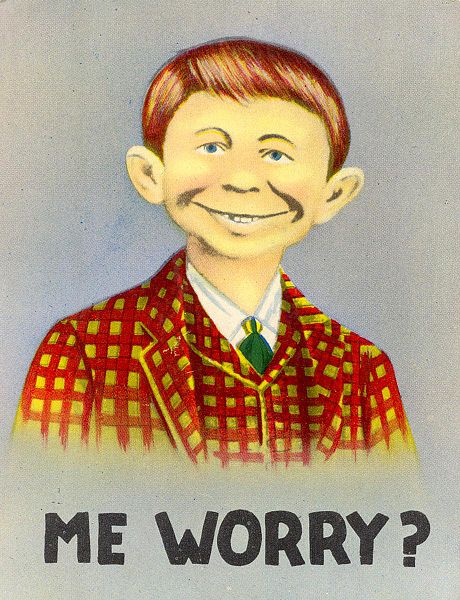 When a student has put some serious effort, and even part of his soul, into creating a composition of merit, then he, like any writer or artist, is probably hoping for some recognition for his effort and creativity. So, I think as teachers, we should recognize that our feedback may have more psychological and motivational impact than we might assume. A student, for example, may fancy himself as a burgeoning Shakespeare, especially in his own mother tongue. So his teacher’s mindless ‘chicken scratch in red ink’ may not just go down as just an intended ‘harmless correction tip’, but actually as a crushing blow to such his ego and psyche, and even stunt his life’s aspirations.
Now, you might think I’m being a bit ‘over the top’ here, but I’ll be honest in that I’ve run across such students in my experience. And, as an artist myself (writer, musician) I can certainly relate to seeing a student’s heart sink into self-defeatism. True, our job descriptions as teachers do no include being judges of talent, but our students may nevertheless actually have that expectation of us.
OK, so to get you all thinking here’s a reflective task. Consider the following questions in relation to the statements that follow:
– How do you feel about the following statements?
– How would you respond to a colleague who might have said this?
– Do you think your students would agree or disagree these views?
- When I don’t correct some mistakes, my students think I’m just being lazy.
- I don’t think my students really check my corrections.
- I know I usually over-correct my students’ essays, but I warn them in advance.
- Aren’t I being paid to correct all the errors in my students’ work?
- If I don’t correct every mistake, I’m afraid my students won’t think my level of English is that good.
- I’m not being paid to be an editor or a proofreader, only a teacher.
- There’s no point in under-correcting an essay. Students will just think their mistakes are correct.
- I don’t want my students to think they are poor writers, so I’m not going to correct every mistake.
- I always make my corrections in blue or green ink. Red has such negative energy.
- Of course I correct most of my students’ errors. How are they supposed to know what’s a mistake if I don’t show it to them?
- I usually try to rewrite poor sentences for my students. They really should see what a perfect version of the sentence should look like.
- Students can’t correct their own essays and resent it when you I ask them to.
- Students should revise their compositions at least three times. If they can’t it get it right by then, revising further is a futile exercise.
- The hardest part of being a teacher is having to correct student essays.
- When I have to over-correct it reflects the inefficiency of my teaching .
- Students want to know their mistakes. You can’t overcome a problem if you don’t know what it is!
- I hate it when students say “you missed something” so I correct everything.
Obviously, the statements above reflect on the teacher and his or her mindset. The big question is how do these statements, especially if you can relate to any, affect how you mark up your students’ work?
I hope this task gives you some food for thought and stimulus for change. Let us know what you think by commenting below.
Suggested Reading:


 ELTvisa
Pingback: Using Correction Codes: Saving your students from going down with their 'slips' in a sea of red ink! | ELT Vista