

Monthly Archives: June 2011

More Thinking About Using A Song

Note: This article was written by our dear colleague & friend, Steve Vassilakopoulos.

In my previous post, I discussed how and why to use songs in the classroom, but my main focus was how the lyrics in a song can be exploited. However, there are, as the old saying goes, many ways to skin to a cat. If we go beyond the words a song contains and think about the music that a song contains, there are fertile pastures to be found there. In this article, I will explore two such ways of doing this, but having said that, there are numerous others as well.

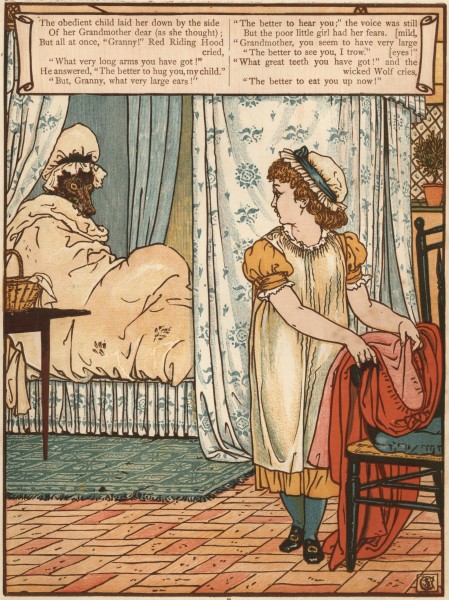
The first use that we will look at is the use of music as context for narrative writing. And “what do you mean by that?” I hear you asking. Well, using music as context means providing music as inspiration to stimulate the imagination, lubricate the gray cells and get the old creative juices flowing. In practical terms it involves putting on a piece of music, setting a task for the students and then getting on with the feedback.
Continue reading

Whom Can We Trust?

AIM: Vocabulary for character traits

LEVEL: Intermediate and above

TIME: 45 minutes

MATERIALS:
Photos of people (emphasis on facial features/ langauge), Dictionaries

PREPARATION:
Photo Sources: Photos may be cut from old magazines or found on the internet. Search Google.com. Type in ‘faces’ and click on images. You will find many to choose from. If a coursebook is used, leaf through it and note down the page numbers with some photos to refer to. Try to find a good range of photos to work with depicting varying facial expressions. Using celebrities will help build interest, but try to use non-celebrities, as well.

Continue reading

Thinking About Using A Song?

Note: This article was written by our deal colleague and friend, Steve Vassilakopoulos.

The aim of this article is to get you thinking. That is, thinking about the use of songs in the teaching of English. To start with, the first thing to think about is you and music. How often have you used songs? Why is this so? Are songs a regular part of your teaching repertoire? If so, why or why not? Why do you use songs anyway? Are songs a part of what you are teaching on that particular day, a part of your lesson plan so to speak or do you use them as a break from the boring but necessary material you normally use? Which songs do you choose and why? Do you choose the songs or do your students have a say in the matter?

Continue reading

Using Instrumental Music For Affect In Creative Writing

AIMS:
– To foster creative writing
– To help student brainstorm and write elements of plot, character profiles, settings, mood, etc.
– To brainstorm adjectives or other word forms

LEVEL: Elementary, Intermediate, Advanced

TIME: At least 20 minutes (depending on the amount of music played)

MATERIALS: Recorded pieces of music in a variety of musical genres

Using music to support language learning has many advantages, least of all that it supports those students who are more musical in terms of their learning style, and most of all because it makes learning fun and breaks up the monotony of regular day to day tasks.

There are many ways to use instrumental music to help students write creatively or to brainstorm vocabulary, especially adjectives and adverbs, and to help establish context. One of the easiest ways is to use pieces of instrumental music of different genres.

Continue reading

Choices

Most people love choices: left or right, onwards or homewards, yes or no, combined with the trepidation of ‘what if…?’ or ‘have I made the right decision?’ This task suggestion is loosely based on a series of novels published in the UK in the mid-1980s; novels in which the reader could decide the fate of the protagonist depending on decisions made or routes chosen.

The ultimate aim of the task, the desired learner outcome, is to facilitate a working knowledge of narrative tenses, modal verbs, conditional structures and vocabulary relating to character and adventure. The desired aim of the task, however, is to promote team-working skills, communication development and to have fun, a commonly neglected word! Amalgamating the two approaches needn’t be hard work for the teacher and the end product can be made into wall posters, a school presentation or a ‘take home and keep’ novella.

Continue reading

What’s The Story, Morning Glory?

AIM: Question forming, Brainstorming, Narrative Work
LEVEL: Intermediate – Advanced
TIME: 10-15 minutes
MATERIALS / PREPARATION: None

PROCEDURE:
– Tell the students that you have a story in mind and that they are to guess the storyline by asking yes / no questions. Give them a general theme for the story such by telling them its a “love story” or a “crime”, etc. You can also give them some brief details about the characters if you like.

– Tell the students to keep notes about your answers so that they can keep track of the details and piece the story together.

– Instruct the students they you will only answer “properly formed questions”.

– You do not need to have a story in mind at all! Simply answer ‘yes’ to every third question and ‘no’ to the others. When answering questions, give the impression that careful thought has been put into each response!

– After answering a number of questions (at least 20) put the students into pairs and have them write the story they believe you have thought of.

– Encourage students to be creative, if they claim they don’t have the details.

– Have each group read their story to the class – before you tell them the truth!

The Cross-Curricular and Critical Thinking Connection

Defining the Cross-Curricular approach to teaching is much easier than putting it into practice. This is because much forethought is needed into actually setting up a task or project as well as integrating different academic disciplines, matching said disciplines to component tasks, and then facilitating the usual management that comes along with any large-scale project. Whether you are contemplating a school level project involving many academic disciplines and class levels or you are an EFL teacher trying to weave different academic subjects into your class as material, the keyword, as mentioned above is “thought”. Yes, it takes much analytical thought. Critical analytical thought to be precise!

Continue reading

Creating Tests With Your Students

A necessary part of exam preparation, testing needn’t mean hours of slaving away to produce the definitive paper, or using pre-written models which often don’t really explore problematic areas. Instead, testing can become part of the learning process, rather than merely a 30 minute window on your students’ progress. It’s easy!

Imagine you have ten B2 (or above) level students. Find ten suitable newspaper articles, appropriate in content and reach, based ideally on ten different topics which you wish to explore during the course. Photocopy the articles and give a different copy to each student. Allow students in class reading time and go through content, problematic vocabulary and contextual issues that may arise.

Continue reading

Inspiration from afar from those who play guitar!

It’s often been said that inspiration can come from the strangest of sources. Some years ago, inspiration for my teaching came in the form of a practical article on methodology titled “99 Ways to PLAY BETTER NOW”. No, it wasn’t an EFL or ESL related article. In fact, it was an article that appeared in ‘Guitar Player‘ magazine (May 2006). The piece was a compilation of tips on “tone, technique and creativity“ passed down by guitar playing idols. You see, one of my colleagues and I play together in a makeshift guitar band, so I’m always on the lookout for interesting articles which will help me be a better guitar virtuoso… not that I have any inclination of giving up my teaching career! Well, at least not yet!

While reading these musical pearls of guitar wisdom, it occurred to me, being the reflective practitioner I am, that there was even some wisdom to be gleaned and applied generally to my teaching practice. So the following, dear colleagues, are some of my abstract connections between the world of guitar playing and the world of teaching. I encourage you all to find your own sources of inspiration from interests or hobbies you enjoy, even if they, at least on the surface, have nothing to do with teaching. After all, what is professional development without personal development and vice versa? And, please remember as always that teaching, like guitar playing, is an art!

Continue reading

A Call To Action: Kick Ass Ecology

Note: The following article was written by our dear colleague & friend, Steve Vassilakopoulos.

A Call to Action: Kick Ass Ecology (It’s more than just a classroom task!)

As teachers of English, the de facto international language, what we should be doing is teaching our students the English they will need to help save the environment and the future of mankind. Now that’s a pretty noble mission, wouldn’t you say? A pretty important reason for our students to communicate with others in other countries, eh? After being in the business of teaching English for almost 25 years, I would have to say that we teachers in this country are still mostly required to prepare students for exams and activities that have to do with the environment are mostly considered useful because there might be a reading passage in one of the exams or perhaps it might be one theme for the speaking part of any given exam.

Continue reading